


990 S. Medical Dr. Ste #G3
Brigham City, UT 84302

Eye Safety Tips for Sports and Recreational Activities
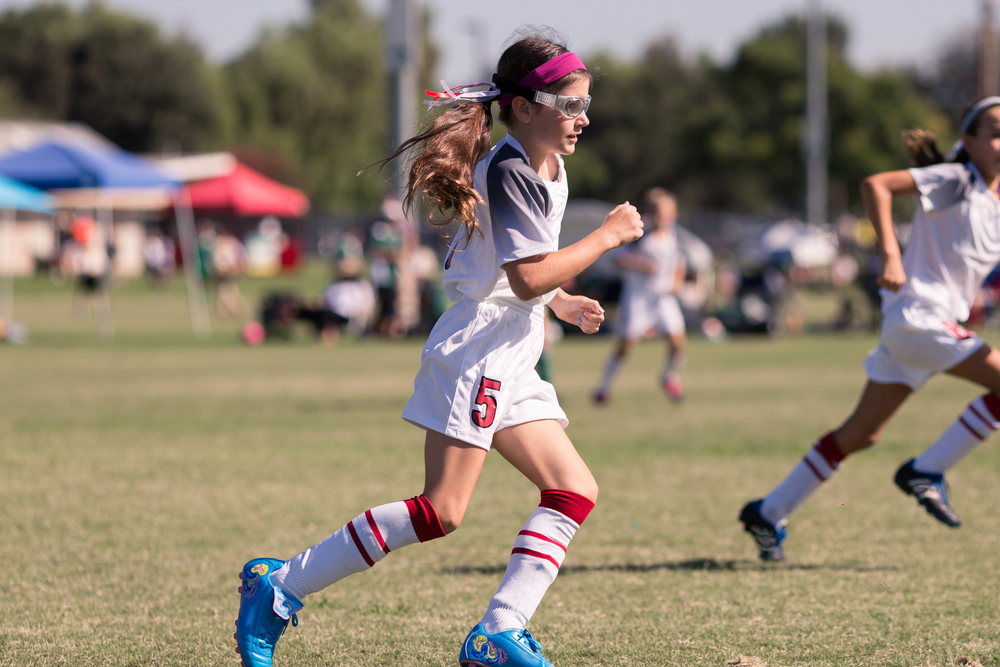
Have you ever heard of serious injuries in sports or recreational activities? The truth is that thousands of people suffer sports-related eye injuries every year. The good news? Almost all of them can be prevented. Your eyesight is priceless and protecting it does not have to be complicated.
Why Your Eyes Are at Risk
Think of your eyes as two delicate cameras. They capture the world, but they aren’t built to withstand a fast-moving blow. These impacts can cause serious damage.
Common injuries include scratched corneas, broken bones around the eye socket, and even detached retinas. In the worst cases, a significant blow can lead to permanent vision loss.
Your Most Important Piece of Gear: The Right Eyewear
For many sports, your helmet or your shoes are the obvious gear. But for your eyes, the proper protection is non-negotiable. Ordinary glasses or sunglasses won’t cut it—in fact, they can shatter on impact and make an injury worse.
You need protective eyewear made with strong materials. Look for polycarbonate lenses. This is the same material used for bulletproof glass, and it’s incredibly impact-resistant. Make sure the frames are also sturdy and designed for sports use.
Here is a quick guide to choosing and using protective eyewear:
- Get the Right Fit: Your sports goggles or glasses should feel snug but not tight. They should stay securely in place when you run or jump without digging into your skin.
- Look for a Seal: Make sure the product or material meets the safety and quality requirements set by the American Society for Testing and Materials (ASTM). This seal is a guarantee that the product has been tested for sports use.
Matching the Gear to the Game
Different activities come with varying risks.
For High-Risk and Ball Sports:
For these, you should always wear polycarbonate sports goggles with a secure strap. For sports like baseball or hockey, a face mask or helmet with a polycarbonate shield is essential.
For Outdoor Adventures:
Your main concerns here should be sun glare, wind, and debris like bugs or dust. For these activities, durable, wraparound sunglasses with 100% UV protection are your best bet.
What to Do If an Injury Happens
If you get dust or a small particle in your eye, try not to rub it. Rubbing can grind the object deeper into your eye and scratch the surface. Instead, blink several times to encourage your tears to wash it out.
If you take a blow to the eye, the pain can be intense. The best immediate action is to place a cold compress over your closed eyelid gently.
When to See a Doctor Immediately
Go to an emergency room or an eye doctor right away if you experience any of the following:
- You have obvious pain or vision problems.
- You feel like there’s something stuck in your eye that won’t come out.
- You have a cut on your eyelid or the eye itself.
- One eye is not moving as well as the other.
- You see blood in the white part of your eye.
Protecting your vision is one of the simplest and most important health choices you can make as an athlete. By taking a moment to put on the proper eyewear, you’re making sure you can keep your eyes on the prize for countless games to come.
For more on eye safety tips for sports and recreational activities, visit Brigham Eye Specialists. Our office is in Brigham City, Utah. To book an appointment, call (435) 734-2097 today.
© 2026 Brigham Eye Specialists. All rights Reserved - Accessibility Statement - Privacy Policy - Sitemap
Powered by
